Children
Untreated hearing loss in childhood shapes speech, literacy, and schooling. Early care changes the whole trajectory.

A hearing aid in a warehouse helps no one. Our work is joining the links — the funds that pay for care, the skilled local clinician, and the organization that knows who is waiting.
Most of our work is raising the funds that pay for hearing aids and for the providers who deliver the care — so the cost of the device never becomes the reason someone goes without.
Ears to Hear works to identify trusted local hearing care providers in communities where the need is significant. These providers partner with us to deliver professional hearing care services to individuals who might otherwise go without treatment — evaluation, fitting, and follow-up, done properly.
We collaborate with special needs ministries, humanitarian aid organizations, churches, and other organizations already serving within these communities. These partnerships help us identify individuals in need of hearing care and other supportive services, and allow us to serve in ways that are thoughtful, effective, and responsive to the unique needs of each community.
We work to raise awareness of the tremendous unmet need for hearing care around the world, and to give others a real opportunity to be part of meeting it. Every person who understands the need is a potential partner, provider, or supporter.
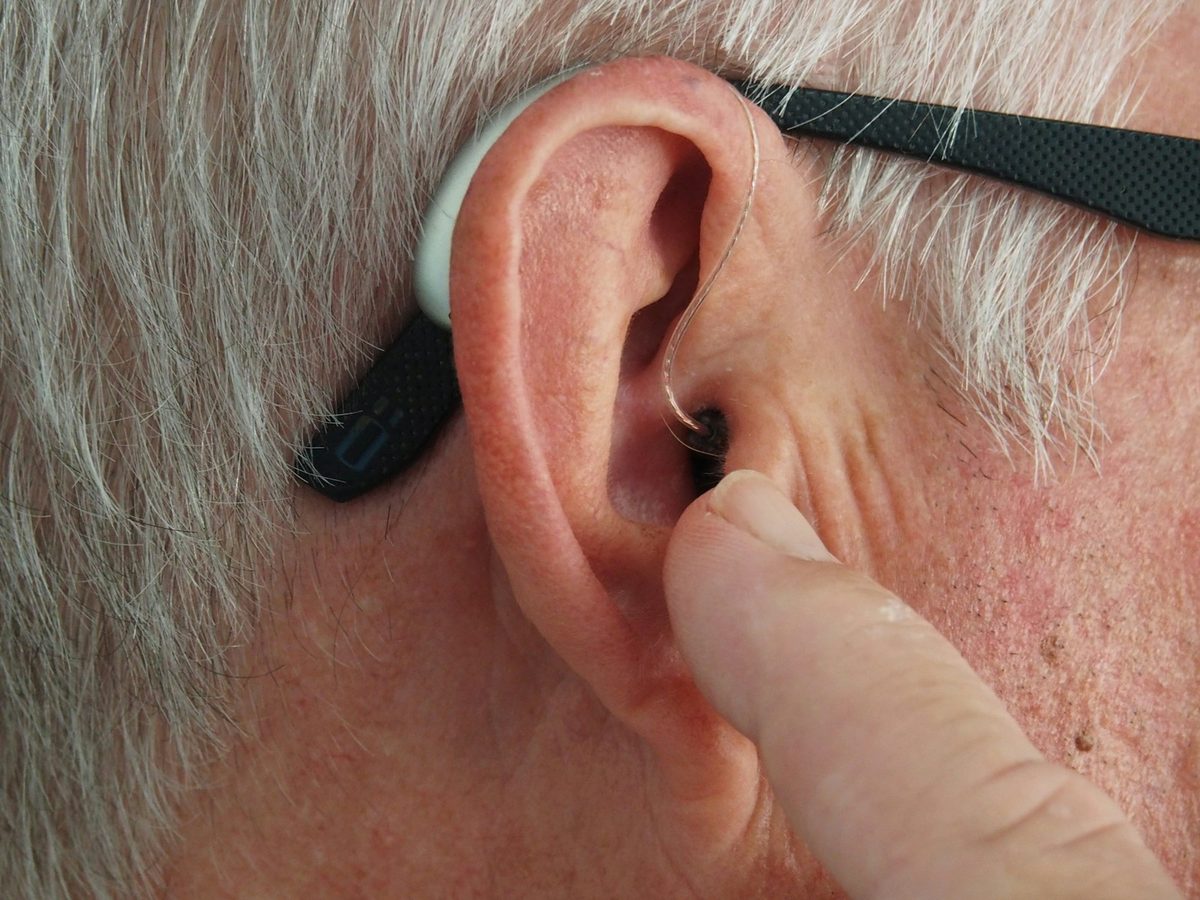
Hearing aids that are handed out without assessment and fitting are frequently abandoned within months. They whistle, they hurt, they amplify the wrong things, and no one is nearby to adjust them.
That is why we build the provider relationship first. A local clinician can test hearing properly, program the device to the person in front of them, teach a family how to use and maintain it, and be there in six months when something needs changing.
It is slower than a giveaway. It is the difference between a donation and a difference.
Need is the qualification. We work with partners to reach people for whom hearing care is out of reach — financially, geographically, or because no one has ever come looking.
Untreated hearing loss in childhood shapes speech, literacy, and schooling. Early care changes the whole trajectory.
Hearing loss can quietly cost someone their livelihood. Restoring it often restores the ability to provide.
Isolation compounds fast when conversation becomes exhausting. Hearing care brings people back to the table.
Working with special needs ministries, we reach individuals whose hearing loss is easily missed alongside other conditions.
Where a ministry, church, or aid organization is already trusted, care can arrive without suspicion and without delay.
Around the world and close to home. We go where the need is real and a responsible partnership is possible.
No. Hearing aids are provided through a partnering local hearing care provider who evaluates the individual, fits the device, and follows up. That professional step is what makes the difference between a device someone owns and hearing someone keeps.
Ears to Hear raises the funds that purchase hearing aids and pay the providers who fit them. At times a manufacturer partnership also helps supply devices, and we will share more about those relationships publicly as our programs expand.
We serve underserved individuals and communities around the world, going where the need is significant and where a trustworthy local partnership makes sustained care possible. If you know of a community in need, we would genuinely like to hear from you.
No. Our work is an expression of God’s love, and it is offered to anyone in need of hearing care regardless of their beliefs or background.
The hearing aids themselves and the care around them: hearing evaluations, professional fitting, follow-up appointments, travel and logistics, supportive services, and the everyday cost of finding the people who need help and the partners who can deliver it.
Tell us. Some of the most important work we do begins with a single email from someone who noticed a need.